
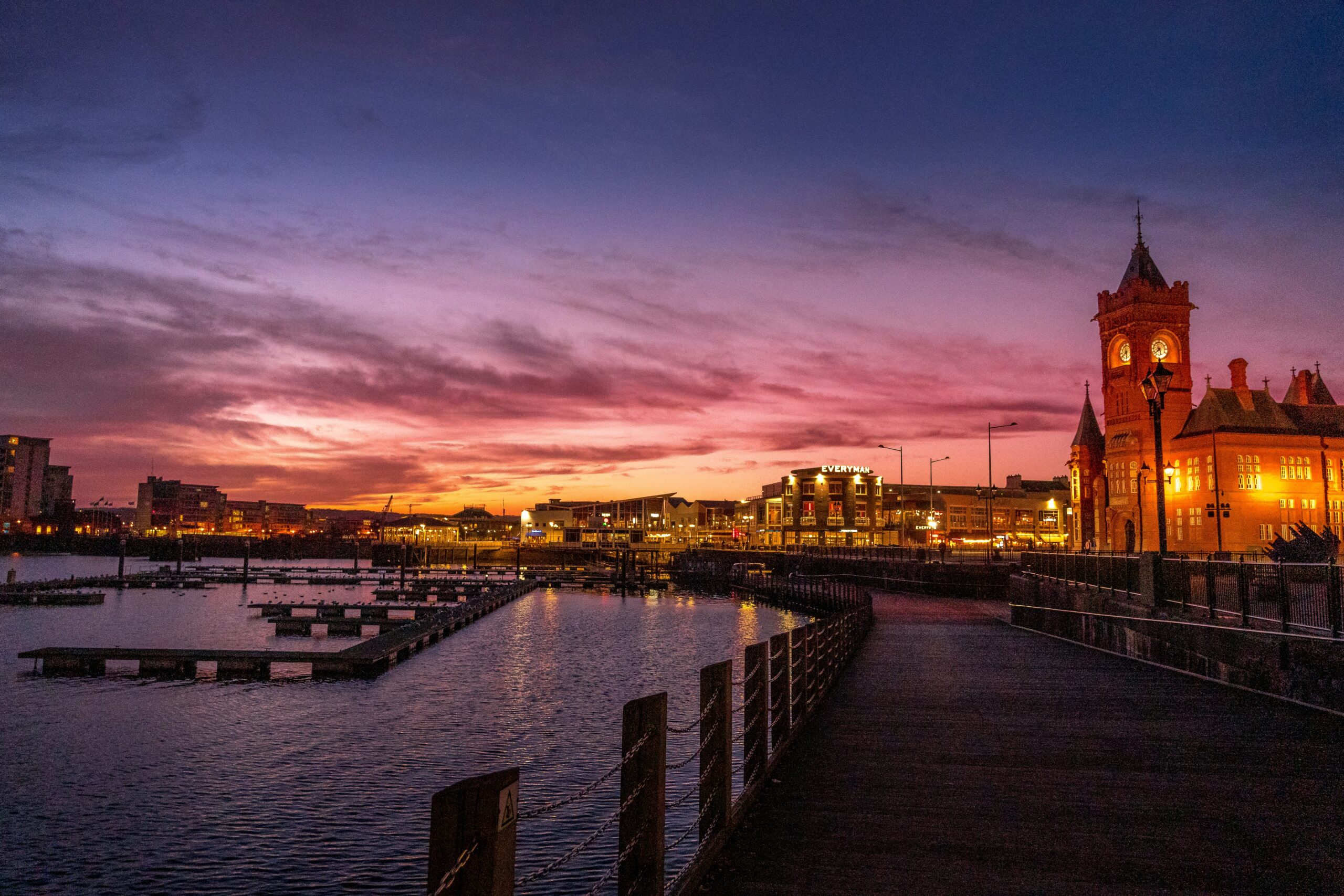
Cultural and Historical Photography Tours
Exploring the cultural and historical landscapes of Wales offers an exceptional opportunity for photographers to capture the essence of its rich heritage. From ancient castles that whisper stories of kings and battles to vibrant festivals celebrating traditional arts, each location presents a unique canvas. Guided tours often include expert insights into historical contexts, helping participants to frame their shots with a deeper understanding of the subjects. Whether photographing the imposing structures of Caernarfon Castle or the quaint charm of a village’s cobbled streets, the stories behind each image can be as captivating as the photographs themselves.
The diverse tapestry of Welsh culture is also reflected in its architecture and local customs. Photographers can immerse themselves in the lively scenes of market towns or the serene beauty of rural landscapes dotted with stone churches and chapels. Workshops in these settings may encourage participants to experiment with different angles and lighting conditions to highlight the character of the places they visit. Each click of the shutter allows for a moment of pause, an invitation to appreciate the nuances of Wales’ cultural identity through every frame.
Documenting Wales’ Rich Heritage
Wales boasts an array of historical sites that inspire photographers to capture its vibrant culture and rich traditions. From ancient castles that punctuate the landscape to charming villages echoing tales of yesteryear, each location has a story waiting to be told. Exploring the intricate details of architectural landmarks provides a unique opportunity to document the craftsmanship and artistry that define Welsh heritage. Photographers can utilise varying perspectives and angles to showcase these landmarks in a new light, inviting viewers to appreciate the depth of Wales’ cultural significance.
Engaging with local communities adds another layer to the photographic experience. Markets brimming with artisan crafts and traditional festivals celebrating regional customs offer fertile ground for capturing the essence of daily life. This connection with inhabitants fosters an environment where candid moments emerge, revealing the warmth and spirit of Welsh culture. By focusing on interactions, expressions, and the vibrancy of the scenes, photographers can create a compelling narrative that reflects the heart of Wales.
Wildlife Photography Adventures
Wales is a haven for wildlife enthusiasts, offering a diverse range of species and stunning natural habitats. The rugged coastline and expansive countryside provide an ideal backdrop for capturing the beauty of native creatures. Popular locations such as the Pembrokeshire Coast National Park and the Brecon Beacons National Park offer opportunities to photograph everything from seabirds to deer in their natural environments. Early morning or late afternoon light enhances the scene, casting a warm glow that adds depth to wildlife images.
Engaging with experienced guides can greatly enhance the photographic experience. They possess invaluable knowledge about animal behaviour and optimal locations for sightings. Workshops often include hands-on practice, enabling participants to refine their skills while capturing memorable moments. Observing animals in the wild requires patience and respect, ensuring that both the photographer and the subject remain undisturbed. This mindfulness fosters a deeper connection to nature, enhancing the overall adventure.
Best Spots for Nature Photography
Wales boasts a myriad of locations ideal for capturing the essence of its diverse wildlife. The Pembrokeshire Coast National Park, with its dramatic cliffs and abundant marine life, offers photographers stunning vistas combined with opportunities to encounter seals and seabirds in their natural habitats. The rugged beauty of Snowdonia National Park is equally captivating, showcasing not only striking mountain landscapes but also a variety of wildlife such as otters and rare bird species nestled within its hills and valleys.
Exploring the vast wetlands of the Gwent Levels reveals a different yet equally enchanting scene, perfect for those looking to photograph migratory birds and rich flora. The diverse ecosystems present in these areas provide invaluable opportunities for wildlife enthusiasts. Whether photographing the intricate details of a dragonfly perched on a leaf or capturing the fleeting moment of a red kite soaring above the hills, Wales offers an impressive canvas for nature photographers to express their creativity and passion for the wild.
Tips for Photographing Welsh Landscapes
Capturing the dramatic scenery of Wales requires thoughtful preparation. Timing plays a crucial role in landscape photography, especially during the golden hours of dawn and dusk. During these times, the light casts a warm glow on the rugged mountains and sprawling valleys, enhancing textures and adding depth to your images. It’s also beneficial to scout your locations in advance. Familiarising yourself with the area allows for strategic positioning and composition, helping to frame the natural beauty of your surroundings.
Incorporating foreground elements can elevate your photographs significantly. Consider including rocks, flowers, or flowing water to lead the viewer’s eye into the frame. Experimenting with different perspectives can also result in striking images. Get low to the ground for a unique viewpoint or seek higher ground for sweeping vistas. Remember to mind the weather, as Welsh landscapes can transform dramatically with changing conditions. Embrace the moody skies, as they often add a sense of drama to your shots.
Techniques for Landscape Composition
Capturing the essence of Wales’ breathtaking landscapes requires a keen eye for composition. The rule of thirds remains a fundamental principle in photography. Imagine dividing your image into nine equal parts using two horizontal lines and two vertical lines. Placing the main subject along these lines or at their intersections creates a more dynamic and engaging photograph. Additionally, leading lines can guide the viewer’s eye through the scene, drawing attention to key elements while providing depth and perspective.
Emphasising foreground interest enhances the overall composition of your landscape shots. Including elements such as rocks, flowers, or trees adds layers and invites the viewer into the frame. Wide-angle lenses work well in these situations, allowing for expansive scenes while maintaining focus on the foreground. Experimentation with different angles and perspectives can transform an ordinary snapshot into a captivating image that tells a story of the Welsh landscape’s beauty.