
Examining the Poetry of Gillian Clarke
Gillian Clarke’s poetry is renowned for its vivid imagery and deep connection to the natural world. Her work often reflects the landscapes of Wales, capturing both the beauty and fragility of the environment. Through her evocative use of language, Clarke explores themes such as identity, belonging, and the intricate relationship between humanity and nature. Her ability to intertwine personal experience with broader ecological concerns invites readers to engage with the world around them more thoughtfully.
Each poem serves as a window into the Welsh countryside, offering glimpses of rural life that resonate with universal emotions. Clarke’s acute observations transform the ordinary into the extraordinary, demonstrating a profound respect for both the land and its inhabitants. Her deft handling of language conveys a sense of urgency regarding environmental issues while celebrating the rich cultural heritage of Wales. In this way, her poetry is both a reflection and a call to appreciate and protect the natural world.
Nature and the Welsh Countryside
The Welsh countryside serves as a profound source of inspiration for many poets and writers. Its rugged mountains and gentle valleys create a tapestry of contrasts that mirror the complexities of human emotion. Gillian Clarke, a celebrated poet, often captures the essence of these landscapes in her work. The interplay between nature and the human experience resonates deeply in her poetry, inviting readers to reflect on their relationship with the environment. This connection to place allows her verses to transcend mere observation, evoking a sense of belonging and nostalgia that permeates her writing.
Nature’s presence is not merely a backdrop but a character in its own right within Welsh literature. The flora and fauna take centre stage, often symbolising resilience and beauty amidst struggle. The dramatic coastline, lush forests, and tranquil lakes inspire a sense of wonder that permeates the writings of many Welsh authors. This rich heritage of depicting the natural world showcases the profound impact of the Welsh landscape on the literary imagination, offering a unique lens through which to understand both nature and the self.
The Novels of Sarah Waters
Sarah Waters has established herself as a formidable presence in contemporary literature, particularly known for her historical novels that delve into the lives of women within the LGBTQ+ community. Her writing often interweaves rich narratives with meticulous research, exploring themes of identity, secrecy, and belonging. Works like “Fingersmith” and “The Night Watch” transport readers through the intricate social landscapes of Victorian and post-war Britain, capturing the subtleties of human emotions and relationships amidst wider societal changes.
Her characters are often complex, reflecting the struggles and triumphs of their identities against the backdrop of the eras in which they live. Waters’ adeptness at creating vivid settings adds an additional layer to her storytelling, with locations imbued with atmosphere and significance. The interplay between personal and historical contexts in her novels invites readers to engage deeply with the characters’ journeys, illuminating the often-unseen narratives of women throughout history.
Literary Landmarks in Cardiff
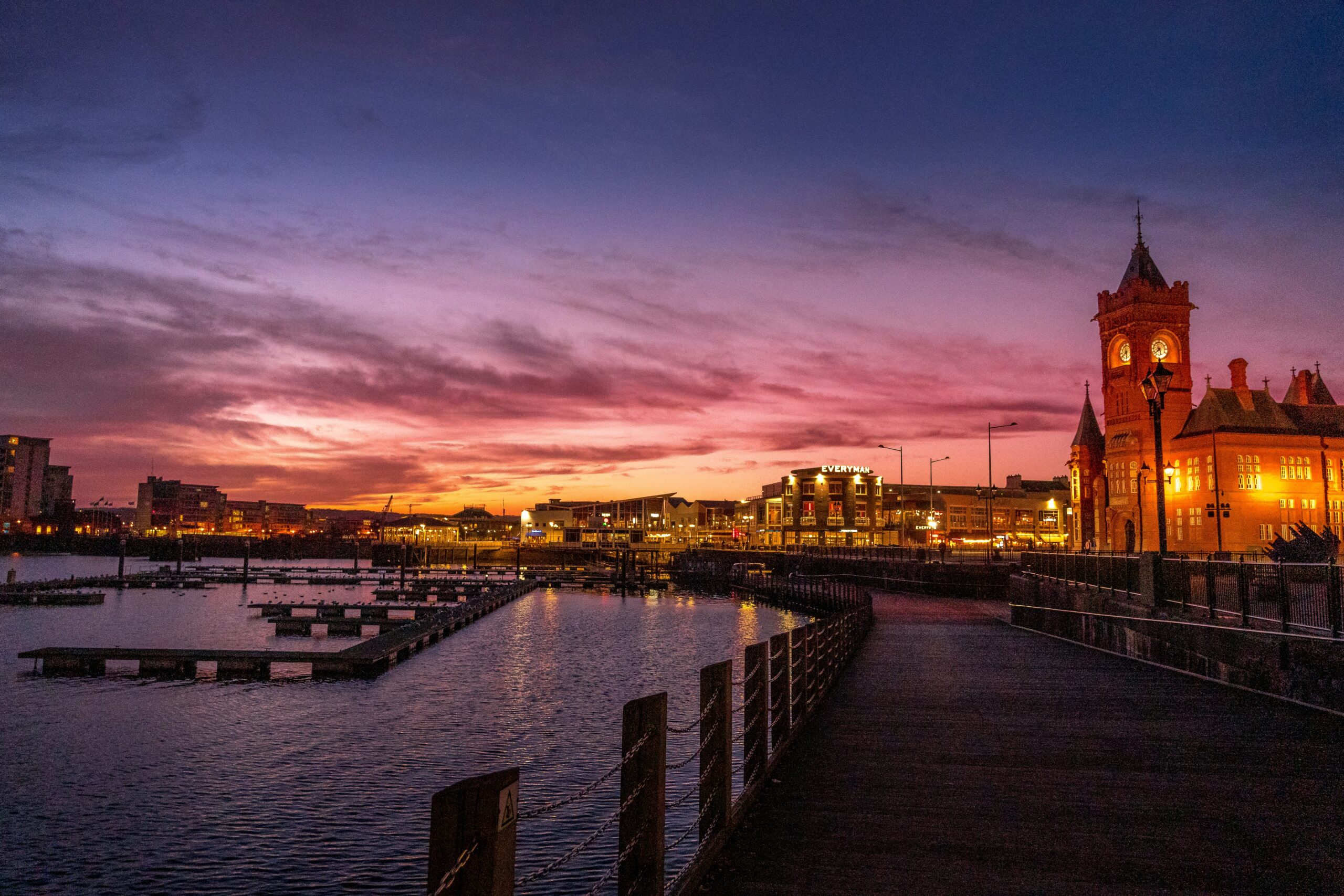
Cardiff, the vibrant capital of Wales, boasts a rich literary heritage that resonates through its streets. A visit to the city is incomplete without exploring the iconic Cardiff Castle, a structure steeped in history that has inspired countless local writers. Just a stone’s throw away, the National Museum Cardiff showcases artistic gems and literary exhibitions. These venues not only celebrate Welsh culture but also provide a backdrop for the works of notable authors who have shaped the literary landscape.
The presence of the University of Cardiff adds an academic gravitas to the city, serving as a nurturing ground for emerging writers and scholars. The allure of its beautiful parks and historic buildings frequently finds expression in poetry and prose. From the vibrant arts scene in the city centre to the serene coastlines of Cardiff Bay, these spaces encourage creativity and offer rich inspiration. Local bookshops and cafés serve as gathering spots for literary enthusiasts, fostering a lively community that continues the legacy of Wales’ celebrated authors.
Insights into the World of Owen Sheers
Owen Sheers’ work intricately weaves together personal and historical narratives, creating a rich tapestry of experiences that resonate deeply with readers. His poetry often reflects on themes of memory, loss, and the natural world, drawing inspiration from both his upbringing in Wales and interactions with its landscapes. The lyrical quality of his writing enhances the vivid imagery he employs, inviting readers to immerse themselves in the emotions and sensations tied to the places he describes.
In Sheers’ novels and plays, the interplay of history and human connection shines through. His storytelling often focuses on characters grappling with their pasts, navigating their relationships amid the backdrop of Wales’ stunning scenery. This connection to the land serves not as mere decoration but as a fundamental element that influences his characters’ journeys and decisions. Engaging with Sheers’ works offers profound insights into the complexity of identity and belonging within the Welsh context.
Cultural Significance of the Brecon Beacons
The Brecon Beacons, with their dramatic landscapes and sweeping vistas, serve as an emblem of Welsh identity and heritage. This iconic national park has long inspired writers, artists, and poets alike, who seek to capture its rugged beauty and dynamic moods. The interplay of light and shadow across the hills, particularly during early morning and dusk, fosters a sense of tranquility and contemplation, drawing observers into its profound natural rhythms. For many, this region encapsulates the essence of Wales, where mythology and folklore intertwine with the natural world, inviting exploration and meditation.
This majestic range is also a hub of cultural activity, marked by local festivals and events that celebrate Welsh traditions and craftsmanship. The community spirit thrives here, with village fairs, storytelling sessions, and artistic gatherings showcasing the talents of local artisans. Through these events, the Brecon Beacons foster a deeper connection between residents and their environment, reinforcing the importance of preserving both the landscape and its cultural narratives. In this way, the area stands not only as a beautiful wilderness but as a living canvas for the ongoing tapestry of Welsh culture.