
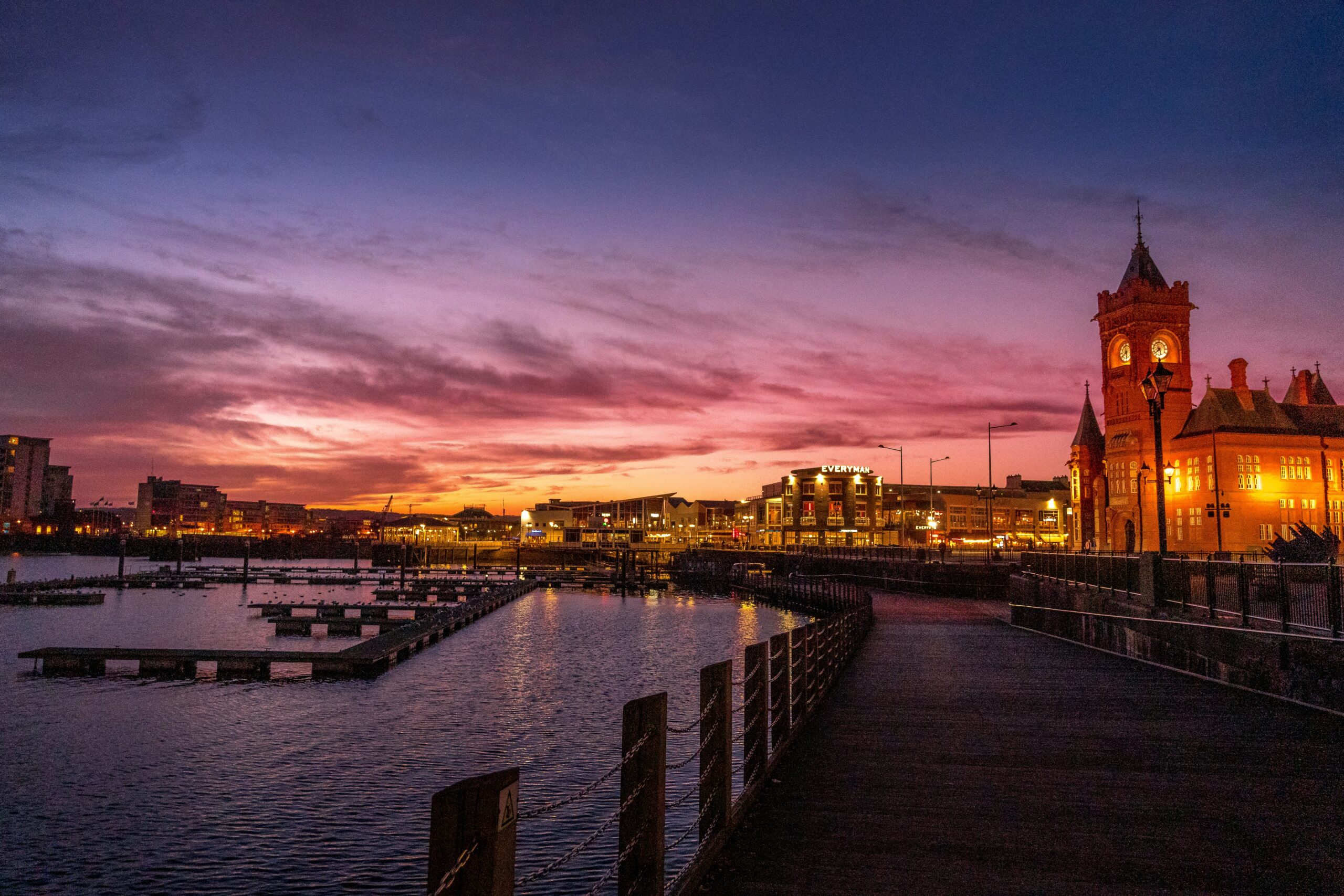
Innovative Modern Architecture
Wales has emerged as a beacon of modern architectural design, showcasing creativity and sustainability in its landmark structures. The focus on innovation is evident in projects such as the Wales Millennium Centre, where the combination of traditional Welsh materials and contemporary design principles reflects a commitment to local heritage while embracing the future. Its distinct slate and copper facade is both a nod to the region’s industrial past and a testament to forward-thinking architectural practices.
In addition to the Wales Millennium Centre, other modern edifices across the country exemplify the harmonious blend of functionality and aesthetics. Structures like the Senedd in Cardiff redefine political spaces by prioritising light, openness, and accessibility. These buildings not only serve practical purposes but also contribute to the cultural fabric of the nation, embodying a vision that celebrates Welsh identity through innovative architectural forms.
The Sustainable Wales Millennium Centre
A marvel of contemporary design, the venue reflects an innovative blend of sustainability and artistry. Its distinctive copper and timber façade not only captivates visitors but also showcases a commitment to environmentally conscious building practices. The centre serves as a beacon for cultural events, hosting a plethora of performances and exhibitions throughout the year. Energy-efficient technologies have been seamlessly integrated, ensuring minimal environmental impact while enriching the experience of audiences and artists alike.
Inside, the spacious foyers and cutting-edge performance halls create an inviting atmosphere for exploration and creativity. Attention to detail is prominent, with natural light flooding the interior and enhancing the overall sense of connection to the surrounding environment. The centre has not only become a hub for the arts but also positions itself as an exemplar of how architecture can harmoniously integrate with sustainability. This dynamic approach sets a standard for future developments, encouraging a more eco-conscious perspective within Wales and beyond.
Historic Towns and Their Architecture
Wales is rich in towns steeped in history, where every cobbled street tells a story. The architecture reflects centuries of development, showcasing a blend of medieval structures, Georgian townhouses, and Victorian embellishments. The unique local materials used in construction create a distinctive character, enhancing the charm and nostalgia of these settlements. Many towns have preserved their original layouts, inviting visitors to wander through time, with landmarks that stand testament to the region’s turbulent yet fascinating past.
Among these towns, Conwy stands out for its well-preserved medieval walls and impressive castle, emblematic of its strategic significance in historical conflicts. The narrow streets wind around age-old stone buildings, each with its own narrative, carrying whispers of the past. Meanwhile, towns such as Caernarfon boast grandiose structures that epitomise the power of the Welsh monarchy, serving as both fortifications and residences. Each architectural feature, from turreted facades to intricate carvings, contributes to the historical tapestry woven throughout these remarkable towns.
The Medieval Charm of Conwy
Nestled along the edges of the stunning Conwy estuary, this small town captivates visitors with its well-preserved medieval architecture. Conwy Castle, a UNESCO World Heritage Site, dominates the skyline with its impressive towers and intricately designed walls, showcasing the fortifications established by King Edward I in the late 13th century. The narrow, cobbled streets that wind through the town offer glimpses of traditional stone houses adorned with colourful facades. Each turn reveals a new aspect of its rich history, bringing to life the stories of trade and conflict that shaped this remarkable location.
The town’s charm extends beyond the castle walls, with the picturesque riverbanks and the iconic Conwy Suspension Bridge enhancing its appeal. Nearby, the walls that encircle the town, stretching almost a mile, invite exploration and provide stunning views of the surrounding landscape. Visitors can stroll along these ancient fortifications, connecting with the past while enjoying the vibrant atmosphere created by local shops and cafes. The combination of stunning architecture and natural beauty cements Conwy’s status as a noteworthy destination for those seeking to experience the medieval heritage of Wales.
Cultural Heritage Sites
Wales boasts a rich tapestry of cultural heritage sites, each telling a story steeped in history and tradition. From ancient ruins to well-preserved structures, these landmarks provide insight into the lives of those who came before. Breathtaking castles and quaint stone churches characterise the landscape, inviting visitors to explore the depths of Wales’s past. Each site often resonates with the tales of battles fought, communities formed, and the ever-evolving relationship between people and their land.
Among the notable cultural landmarks, the historic abbeys and sites of worship stand out for their architectural beauty and spiritual significance. Iconic structures like Tintern Abbey reveal the influence of monastic life and the profound connection between heritage and the environment. These sites not only attract tourists but also serve as focal points for local communities, fostering a sense of pride and belonging. Engaging with these cultural treasures ensures the stories and values embedded in them remain alive for future generations.
The Significance of Tintern Abbey
Nestled in the picturesque Wye Valley, Tintern Abbey stands as a testimony to the beauty of Cistercian architecture and the tapestry of Welsh history. Founded in 1131, this remarkable structure reflects the monastic ideals of harmony with nature and devotion, showcasing the intricate stonework and soaring arches characteristic of Gothic design. The abbey’s ruins invite both admiration and contemplation, drawing visitors into its serene ambience.
The site holds profound cultural significance, not only as a relic of religious life but also as an inspirational muse for artists and poets throughout the centuries. The haunting beauty of the abbey has captivated the likes of William Wordsworth, whose reflections on the site convey its spiritual essence and natural surroundings. Today, it serves as a vital link between the past and the present, offering insights into medieval religious practices while continuing to enchant those who wander its ancient stones.